
Staying Together and Staying Stuck Are Not The Same Thing.
There is a particular kind of exhaustion that comes from loving someone and still feeling completely alone in the relationship. You are not strangers. You know each other’s histories, each other’s habits, each other’s pain points. And yet somewhere along the way the two of you stopped being able to actually reach each other.
The same argument cycles back around with the same script and the same unresolved ending. You have tried talking about it. You have tried not talking about it. Neither one works, and the distance between you keeps quietly widening even when everything on the outside looks fine.
Or Maybe Something Specific Happened That Changed Everything.
A diagnosis. Sudden loss. A transition that neither of you were prepared for and that has been reshaping the relationship ever since in ways you have not fully named yet. Or maybe nothing dramatic happened at all. Maybe you have simply grown into two different people living parallel lives under the same roof, and the question of what to do with that has become too heavy to keep carrying alone.
Couples therapy in Lynn, MA at Aeon Counseling and Consulting is not only for relationships that are falling apart. It is for any two people who are ready to stop managing the distance between them and start actually doing something about it, together, with the right support in the room.
What Is Couples Therapy in Lynn, MA?
Most people come to couples therapy having already tried everything they could think of on their own. The conversations that were supposed to help ended in the same place they always do. Attempts at a fresh start lasted until the next trigger. By this point you might even feel a little desperate
You are sending each other Reels that explain what you have been trying to say for months. Sneaking a look at a Gottman book in the self-help section instead of the newest queer romance. Something needs to change and you have run out of ways to make that happen from inside the relationship.
Couples Therapy is Not Another Version of Those Attempts.
It is a structured clinical process with a trained third party who can see the pattern from outside of it, which is something neither person inside the relationship can do no matter how self-aware they are. At Aeon Counseling and Consulting, couples therapy in Lynn, MA is built around one core understanding: most relationship struggles are not about bad intentions.
They are about patterns, attachment histories, and communication styles that were never designed to survive the specific pressures this relationship is currently facing. A couples therapist at Aeon works with both people in the room to identify what is actually driving the cycle, not just the content of the argument but the structure underneath it, how to stop that cycle and to build something more sustainable in its place.
Couples Therapy Is Not Just for Relationships in Crisis
This is one of the most important things worth saying clearly. Couples therapy is not a last resort and it is not an admission that the two of you have failed. Some couples come to Aeon at a genuine breaking point. Others come because they are navigating something specific and want skilled support rather than spending another six months trying to therapize each other with YouTube videos and relationship podcasts. Some come because the relationship is fundamentally solid and they want to invest in it before smaller issues become larger ones. Others are unsure about taking their commitment to the next level and seek counseling as guidance on how to do that.
Some are queer couples who have never had a therapeutic space that actually understood the specific dynamics of their relationship without needing a tutorial first. And some come because they have made the decision to separate and want to do that with honesty, dignity, and care, particularly when children are involved. Uncoupling, the process of ending a relationship thoughtfully and collaboratively rather than combatively, is a legitimate and valuable reason to seek couples therapy. Aeon supports that goal with the same clinical seriousness as any other reason a couple walks through the door.

The Questions Couples Ask Before They Walk Through the Door
Starting couples therapy raises a lot of questions, and most of them are ones people are not sure they are allowed to ask out loud. If you have been sitting with some of these before reaching out, you are not alone. Here are the ones we hear most often from couples considering couples therapy in Lynn, MA.
Can Couples Therapy Help with Communication Issues?
Communication issues are the most common reason couples walk through the door, and they are almost never just about communication. When two people cannot seem to hear each other no matter how many times they have the same conversation, the problem is rarely a lack of vocabulary or effort. It is usually a pattern, one that developed over time and now operates faster than conscious thought. We call this cycle: “the relationship tango.”
One person shuts down. The other escalates. Or both shut down and the silence becomes its own kind of argument. Couples therapy at Aeon works at the level where that pattern actually lives, not by teaching scripts or active listening techniques in isolation, but by helping both people understand what is driving the dynamic and what it would take to genuinely shift it.
What If One Partner Wants Therapy and the Other Does Not?
This one comes up constantly and the honest answer is that reluctance at the start does not disqualify a couple from doing good work. Most people who are resistant to couples therapy are not resistant to their relationship. They are resistant to being seen, to being wrong in front of someone, or to opening something up that they are not sure they can close again.
That is not obstruction. Fear is something a good couples therapist knows how to work with, and it is almost always what resistance is made of. What matters is not that both people arrive equally excited. It is that both people arrive. If your partner is hesitant, bring that into the first conversation rather than around it. Ambivalence is workable. Absence is harder.
Can Couples Therapy Help Us Rebuild Trust?
Yes, and here is something that might surprise you: infidelity is one of the most common reasons couples come to Aeon, and it is also one of the most powerful entry points for genuine relational growth. That is not a minimization of the pain. It is a clinical reality that the rupture created by infidelity forces both people to look directly at things the relationship had been quietly avoiding, sometimes for years.
What led to it. The things that were missing. What both people actually need going forward. Rebuilding trust after a betrayal is not about forgetting what happened. It is about understanding it well enough that something genuinely different becomes possible on the other side. That process is not fast and it is not comfortable, but for couples who are both willing to stay in it, it is real.
How Do We Know If Our Relationship Problems Are Fixable?
This question deserves a straight answer: most relationship problems are workable when both people are genuinely willing to do the work. The ones that are not tend to involve active abuse or a fundamental incompatibility of values that couples therapy cannot bridge. Outside of those situations, what looks unfixable from inside a painful dynamic often looks very different with the right support in the room. Enough space to actually see the pattern rather than just live inside it changes everything.
What couples therapy cannot do is want the relationship more than the two people in it do. It can create the conditions for repair, build the tools for genuine change, and hold both people accountable to the process. Whether the relationship survives is ultimately a decision that belongs to the couple. Aeon supports that decision whatever direction it takes, including the decision to separate with intention and care.

Why Do People Go for Marriage Counseling?
People come to couples therapy for more reasons than most people realize before they start looking into it. Here are some of the most common ones we see.
They Are Stuck in a Pattern They Cannot Break on Their Own
This is the most universal reason and it shows up in relationships of every kind. Two people who love each other and cannot seem to stop having the same argument. No matter how the conversation starts it triggers the same shutdown and lands in the same place. The pattern is not about intelligence or effort. It is about the fact that both people are inside it, which means neither one can see it clearly enough to change it without support.
Something Outside the Relationship Has Put Pressure on It
Other people’s influence on a relationship is real and it is rarely talked about directly. In-laws who insert themselves into decisions that are not theirs. Friend groups that have strong opinions about what your relationship should look like. Financial and work pressures that bleed into every interaction at home. These are not small variables and they do not stay outside the room just because the couple does not bring them up. We encourage couples to bring all of it, because what is affecting the relationship is relevant to the work regardless of where it originated.
Infidelity or a Major Trust Rupture
Infidelity is the leading reason couples seek support, and here is the thing about it that most people do not expect to hear: we call it an opportunity. Not because the pain is not real. It is. But an affair or a major betrayal forces both people to look directly at what the relationship had been quietly avoiding, sometimes for years. The things that were not being said. Needs that were not being met. A distance that had been growing in a direction neither person fully acknowledged. Understanding what happened and why is not the same as excusing it. It is the only way to make a decision about what comes next that is actually informed rather than just reactive.
A Medical or Psychiatric Diagnosis
Serious illness changes a relationship in ways nobody prepares you for. Roles shift. The emotional weight redistributes in ways that feel unfair even when nobody is doing anything wrong. Often the partner who is not ill carries an enormous amount alone because the focus is rightly on the person who is struggling, and there is no room left to name what that cost is doing to them.
Couples therapy creates space for both people to be held at the same time. A skilled clinician can also serve as a bridge to outside resources, specialist referrals, and additional support when the situation calls for it. It is better when you do not have to navigate this as two isolated people. And, it is better when you do it as a team.
They Want to Separate Well
Not every couple that comes in is trying to stay together, and that is not a failure of the process. Uncoupling, the intentional and collaborative ending of a relationship, is one of the most valuable things couples therapy can support. This is especially true for couples with children, where the quality of the separation has a direct impact on everyone in the family system. Ending a relationship with honesty, dignity, and care is not the consolation prize of couples therapy. For some couples it is exactly the right goal, and it deserves the same clinical investment as any other.
A Note on Safety
Couples therapy is not recommended for relationships currently experiencing active domestic violence or substance dependence without treatment. These situations require a different level of intervention before couples work can be safe or effective. If you are in an unsafe situation please reach out to HAWC, BARCC, or The Network/La Red for support.
Can LGBTQ+ or Poly Couples Benefit from Couples Therapy?
Absolutely. The more specific question worth asking is not whether LGBTQ+ couples can benefit from couples therapy. It is whether the couples therapist they are sitting across from actually understands their relationship without needing a tutorial first. Queer relationships carry their own specific dynamics. Minority stress, family systems that may not have been affirming, and chosen family structures all shape the way two people relate to each other.
They also shape how that couple navigates the world they are moving through together. So does the particular weight of building a relationship inside a culture that has not always made room for it. A therapist who is merely open to working with LGBTQ+ couples is not the same as a therapist who is genuinely equipped to hold all of that without centering their own learning curve.
No Orientation Required
At Aeon we work with queer couples, straight couples, and everything in between. What that looks like in practice is a therapeutic space where the relationship in the room is the starting point, not a deviation from a heteronormative default that needs to be accounted for first. The work itself, the patterns, the communication, the attachment dynamics, the specific pressures bearing down on this particular relationship, gets the full attention it deserves from the first session rather than after a lengthy orientation to who the couple actually is.
Staying Stuck Was Never the Only Option
Most couples arrive at therapy having already spent a significant amount of time trying to fix things from inside the relationship. They have had the conversations. They have made the promises. They have read the same article about communication styles three separate times and still ended up in the same place. What changes when the right support is in the room is not that the problems disappear.
It is that both people finally have enough space outside of the pattern to actually see it, and seeing it clearly is what makes changing it possible. The goal is not to get back to the beginning of the relationship. It is to build something more honest, more sustainable, and more genuinely theirs than what existed before.
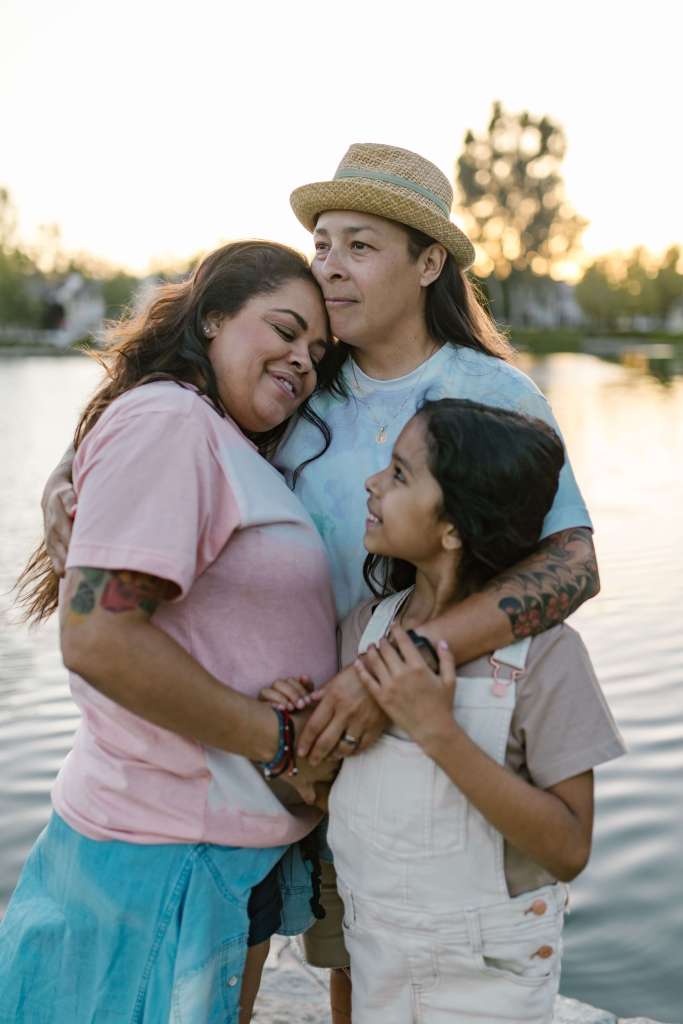
Whatever Direction This Takes
Couples therapy in Lynn, MA at Aeon is not about keeping score, assigning blame, or deciding who needs to change more. It is about creating the conditions under which both people can do the work they came in to do. Some couples leave with a stronger, more connected relationship than they have had in years. Others leave with the clarity and tools to separate in a way that honors what they built together.
Many arrive not knowing which of those outcomes they are moving toward, and that uncertainty is exactly what therapy is designed to hold. Whatever direction the work takes, the goal is always the same: two people who leave with more understanding, more agency, and more capacity for whatever comes next than they had when they walked in.
The Aeon Approach to Couples Therapy in Lynn, MA
The clinical approaches used at Aeon were not chosen because they are popular or because they look good on a website. Internal Family Systems, Cognitive Behavioral Therapy, and post-traumatic growth models were chosen because they reach the places most couples work never gets to. Internal Family Systems helps both partners understand the parts of themselves that show up most loudly under relational stress. The part that shuts down without warning. That escalating response that arrives before the other person has finished their sentence, protecting something so old it does not know how to stop.
CBT and Emotionally Focused Therapy (EFT) helps identify the thought patterns and behavioral cycles that keep two people stuck in the same loop no matter how much they want out of it. Post-traumatic growth models hold space for the reality that most couples are not just navigating present conflict. They are carrying histories, individually and together, that shape every single interaction in ways neither person can fully see without support.
Structured but Never Scripted
Sessions are structured but never scripted. The work adjusts based on what each couple actually needs rather than moving through a predetermined curriculum designed for a generic relationship that does not exist. For couples who need flexible access, telehealth has been part of how Aeon operates since the practice opened in 2016. Distance is not a barrier. Neither is a busy schedule, a complicated situation, or not being sure yet whether you are coming in to stay together or to figure out what comes next. The work only has to start.
What Couples Want to Know Before They Commit to the Process
These are the questions that tend to come up after the first conversation, once the idea of starting therapy has moved from abstract to real. Here are honest answers to the ones we hear most often about couples therapy in Lynn, MA.
What Is the Number One Problem That Most Couples Bring to Therapy?
Communication, almost universally, is what couples name as the presenting problem when they walk through the door. What is almost always true underneath that is something more specific: two people who have developed patterns of interaction that leave both of them feeling unheard, unseen, or unsafe in the relationship, and who have been trying to fix that from inside the pattern without the tools or the perspective to actually change it. Also known as trauma.
Communication is rarely the root. It is the place where the root shows up most visibly. A couples therapist in Lynn, MA who understands that distinction works at the level of the pattern itself rather than just teaching both people to use different words in the same dynamic. That is the difference between managing the symptom and actually addressing the cause.
Is Couples Therapy a Good Idea Before Marriage?
Yes, and it is one of the most underutilized forms of preventive care available to couples. Most people invest significant time, money, and energy into planning a wedding and very little into examining the relationship that wedding is built on. Premarital therapy gives two people the opportunity to understand each other’s attachment styles, communication patterns, and relational histories. Getting ahead of those things before they become the source of conflict rather than the subject of a productive conversation changes everything about what the relationship is built on.
It also creates a foundation of clinical support that is much easier to return to when challenges arise later, because the relationship with the therapist is already established rather than something that has to be built from scratch in the middle of a crisis. Coming in before things are hard is not a sign that something is wrong. It is one of the clearest signs that two people are taking their relationship seriously.
What Percentage of Couples Stay Together After Couples Therapy?
This is one of the most searched questions about couples therapy and it deserves a straight answer without the spin. Research suggests that roughly 70 percent of couples who engage in couples therapy report significant improvement in their relationship. What that number does not tell you is what improvement actually means for each couple, and that is the more important question. Some couples stay together and build something genuinely stronger. Others gain the clarity and tools to separate in a way that is honest and humane rather than combative and corrosive. Both of those outcomes represent therapy working. The goal was never to keep every couple together regardless of whether that is the right decision. Both people leaving with more understanding, more agency, and more capacity for whatever comes next than they had when they walked in is what success actually looks like here.
How Much Will Couples Therapy Cost?
Cost is a real consideration and it deserves a direct answer rather than a vague reassurance about the value of investing in your relationship. Sessions at Aeon are covered by insurance and we work with a range of providers to make that process as straightforward as possible. For couples who prefer to pay out of pocket or whose insurance does not cover couples therapy, sliding scale fees are available.
They are designed to work within a range of budgets so that cost does not become the reason two people who are ready to do this work cannot access it. If you have questions about what your insurance covers or want to understand your options before scheduling, reach out directly and we will walk you through it.
Additional Services

Teen Counseling in Lynn, MA

Therapy for Women in Lynn, MA

Psychotherapist For Children and Teenagers

Play Therapy

Telehealth Virtual Therapy

Family Therapy Services

Group Psychotherapy Services
